0208 248 2355
Questions about your booking? Contact Us
Login Le Commandant Charcot is the first hybrid electric polar exploration vessel powered by liquefied natural gas, exploring the most inaccessible shores. In the heart of polar landscapes, every moment invites you to explore nature in its most powerful and majestic form, nestled in a enveloping, refined, and soothing atmosphere.

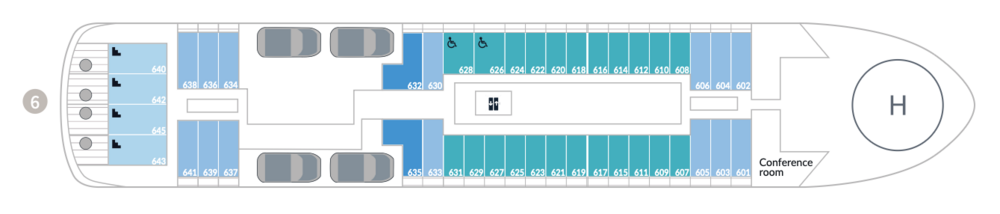
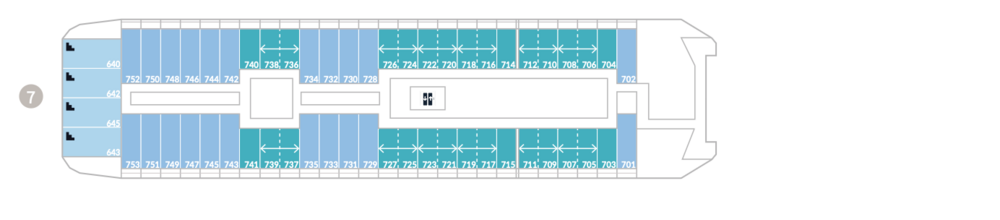
This report includes information on our May 28—June 13, 2026, expedition cruise, “In the Ice of the Arctic, from Greenland to Svalbard” on Ponant Le Commandant Charcot. We have previously traveled on Le Charcot from Punta Arenas, Chile, to the Ross Sea in Antarctica (www.cruisecritic.com/memberreviews/memberreview.cfm?EntryID=686318). We have visited a number of ports north of the Arctic Circle with Princess Cruises, including Longyearbyen, Svalbard. We also traveled to the Canadian High Arctic and Western Greenland with Quark Expeditions (https://boards.cruisecritic.com/topic/2716812-trip-report-2019-%E2%80%9Cnorthwest-passage-epic-high-arctic%E2%80%9D-on-the-ocean-adventurer-quark-expeditions/). On that expedition, we reached the ice pack at 80° 00.508’ N, braved an Arctic Polar Plunge, and saw the Arctic Big 5 (polar bear, beluga whale, walrus, musk ox, narwhal). This time we wanted to experience the wildlife and wild scenery of Eastern Greenland and Svalbard. ABOUT US John and I (Carolyn) are retired Mississippi State University professors in our mid-seventies, who currently reside in central North Carolina. Both of us are natives of New Orleans and, as such, are interested in good food (and wine!) and good times. Our preferred souvenir is a small regional or national flag. On our previous trips I had already obtained flags from Iceland, Greenland, Norway, and France. We enjoy both cruises and land tours; often our trips combine the two. Although our travels have primarily focused on the Americas and Europe, we have set foot on all seven continents. On our trips, we prefer nature and wildlife tours that involve hiking, snorkeling, or SCUBA diving. In particular, we will hike for miles to see waterfalls, volcanoes, caves, or other interesting geologic features. We also enjoy lighthouses, towers, forts, castles, and anything else we can legally climb up for a good view. In general, we make our own travel and pre-/post-cruise arrangements. In port, we prefer DIY port tours, independent private tours, or shared public tours. However, we will take cruise line tours when the logistics or cost make that a better option. On this expedition cruise, all of the excursions were included. However, we traveled to Iceland two days before the cruise to tour on our own. ABOUT THE REVIEW Our reviews are primarily a journal of what we did each day, including web links to maps and other useful information. We will, however, include some details on other aspects of the cruise, especially the food and wine. We have dined on dozens of cruise ships: river and ocean, mid-market to luxury, main and specialty dining; Le Commandant Charcot has had some of the best meals we have ever experienced. This ship also seems to have upped the caliber of wines and hard liquors available as part of the basic beverage package. For those who want more details about Le Charcot, see the review of our expedition to the Ross Sea. If you are not interested in our pre-cruise days in Iceland, please skip down to May 28. EXPEDITION ITINERARY: IN THE ICE OF THE ARCTIC, FROM GREENLAND TO SVALBARD (17 DAYS/16 NIGHTS) [Note: This is the itinerary we followed. Each expedition cruise is unique; the actual sites visited depend on the weather, sea, and ice conditions during that expedition.] Reykjavík, Iceland; Blosseville Coast, Greenland; Ittoqqortoormiit, Greenland; Scoresby Sund; Northeast Greenland National Park; Nordaust-Svalbard Nature Reserve; Søraust-Svalbard Nature Reserve; Sør-Spitsbergen National Park; Nordre Isfjorden National Park; Longyearbyen, Norway; Paris, France MONDAY, MAY 25: EN ROUTE TO ICELAND Flying to Iceland became easy for John and me when Icelandair began direct flights from Raleigh-Durham (RDU) to Keflavik (KEF) in summer 2022, with connections to many European cities. Icelandair allows a free layover (up to 7 days) in Iceland on either leg of a round trip and we have made good use of that option. We have previously visited Iceland seven times. Three of those times were as port calls; taken all together, we have circumnavigated the island. Four other visits were DIY pre-/post-cruise extensions. Those extensions allowed us to venture farther inland: driving the Golden Circle and Ring Road, and hiking in the Icelandic Highlands and in West Iceland. TUESDAY, MAY 26: ARRIVAL IN ICELAND AND SEVEN WATERFALLS John and I got a decent amount of sleep on the six-hour flight to Reykjavik; we also had adjusted by three hours of the four-hour time change in the two weeks before the trip. The cooler temperatures here made it a little easier to hit the ground running. The Icelandair flight was late getting into RDU last night, so we did not arrive into KEF until 7 am instead of 6:20 am. Then we had a delay at immigration because of the new digital Entry/Exit System (https://travel-europe.europa.eu/en/ees) for the EU/Schengen countries. We had been registered in the system when we entered Czechia on our Christmas markets trip last December. But when we left from Germany, our passport was only stamped and our exit was not registered in the ESS. Fortunately, we could show the Berlin exit stamp in our passport and that exit could then be entered into the EES and a new entry through Iceland could be registered. John and I were the last people from our flight to make it through immigration. That took so long that our bags were among the few left on the baggage carousel, but they were both there. Then it was off in the car rental shuttle to Lotus Car Rental (https://www.lotuscarrental.is/). As we have on other trips, we rented a manual six-speed 4WD Dacia Dasher with Platinum insurance coverage and a pocket Wi-Fi. The Platinum insurance is expensive, but it covers all possible hazards that one might encounter when driving on Iceland’s notorious “F roads” (rough, unpaved gravel roads) and other unpaved roads (where lots of the good stuff is located!). This was well worth the extra expense, especially on this trip. We had prepaid for the car rental, so we were supposed to use the express self-service check-in to pick up the key and go straight to the car. However, the Duster key is larger than most and had jammed the hinge in the lockbox. It took awhile for the staff to figure out how to open the lockbox so we could finally be on our way. After that, things went more or less according to plan. For our first day, John had planned to celebrate our 53rd wedding anniversary by visiting a bunch of waterfalls. We intended to follow roughly the Golden Circle route with a few side trips. First we stopped at the Kronan supermarket in Mosfellsbaer to pick up some provisions for our picnic dinners for the next two nights (we brought wine from home). Next we visited two waterfalls, Helgufoss (https://guidetoiceland.is/travel-iceland/drive/helgufoss) and Thorufoss (Þórufoss) (https://guidetoiceland.is/travel-iceland/drive/thorufoss). Helgufoss waterfall is located just off the Golden Circle (Route 36), on the way from Reyjavik to Thingvellir. Not much farther along, we took a short detour on Route 48 to visit Thorufoss. These are both attractive waterfalls and worth the short hikes needed to visit them. We continued on to Thingvellir (Þingvellir) National Park (https://www.thingvellir.is/en), a huge rift valley where the Eurasian and North American tectonic plates are separating. The large lake in the middle made it the perfect spot for summer gatherings of Iceland’s Althing (AlÞing), the world’s oldest legislative body. The foundations of the booths where people stayed during the Althing can still be found in the valley. This is Iceland’s most important historic site. The whole area is full of gorges and ravines formed by earthquakes as well as by the tectonic movement. We parked in the P1 lot near the Hakid (Hakið) Visitor Center; there are kiosks for paying the parking fee; cameras monitor compliance by using the license plate number of the car. The Visitor Center has a viewpoint over Thingvallavatn Lake and is the start of a boardwalk through the Almannangjá Gorge along the North American plate. After walking that and some other paths, we drove to the trail to Öxarárfoss, the only major waterfall in the park. This dramatic fall cascades over black basalt cliffs into a basin filled with huge boulders. John had considered taking a longer side trip to the Hvítserkur Waterfall (https://icelandtravelguide.is/locations/hvitserkur-waterfall/). That is on an F-road about 45 minutes off the Golden Circle, so we decided to save it for another time. We forged on to Brúarfoss (https://bruarfoss.is/), which is known as “Iceland’s Bluest Waterfall” because of the glacial melt from Langjökull. A bridge over the Brúará River provides great views of the fall from both sides. There are two other waterfalls near here, but they are too far away to walk to today. We could not drive to them because they are reached by restricted roads. Like many other sites we visited, parking here is monitored by cameras; parking fees can conveniently be paid with the Parka app or on the Parka website (https://parka.is/). Next we stopped at Kerid (Kerið) Crater (https://kerid.is/). This was once a cone volcano that erupted and emptied its magma reserve; the cone then collapsed into the empty magma chamber. It is now filled with groundwater that appears to be a beautiful blue-green and the walls are a deep red. We walked down to the lake and then around the rim of the crater. Parking is free here, but there is a fee to climb up the crater and view the lake. Our next stop was at Urridafoss (Urriðafoss, https://guidetoiceland.is/travel-iceland/drive/urridafoss), just off the Golden Circle between Selfoss and Hella. This waterfall does not have a very high drop, but it has a very powerful water flow. You know an area is scenic when you see a bride and groom having wedding pictures talen there! Just outside of Hella, we detoured on an extremely potholed road to Aegissidufoss (Ægissíðufoss, https://guidetoiceland.is/travel-iceland/drive/aegissidufoss-waterfall). We were really glad to have the 4WD Duster! In Hella, we turned off the Ring Road (Route 1) onto Route 271, which follows the Ytri-Rangá River. The guesthouse where we were spending the night is on this road. Before going there, we visited one more waterfall. Arbaejarfoss is somewhat hard to find because it is not signposted at all. However, John had good instructions on how to find it by taking the turn off labeled Breiðibakki. This is actually three waterfalls in one, but we had to walk a little distance downstream to see all three parts at once. We finally made it to Loa’s Nest (https://www.loasnest.com/) at about 4:45 pm. We have previously stayed at this small (12 rooms) guesthouse. Guests have access to a full kitchen with all the necessary cooking and eating utensils, so we had everything we needed to enjoy our picnic—even wine glasses. Each room has a designated half-shelf in the communal refrigerator. Technically there is no breakfast included, but the host (Unnur) prepares coffee, tea, and all-you-can-eat waffles with delicious homemade rhubarb jam every morning. After our picnic, we collapsed into bed. WEDNESDAY, MAY 27: NINE MORE WATERFALLS AND HIKING We both slept for a long time last night—at least 10 hours. That’s no wonder after all that activity yesterday and only three or four hours of sleep on the plane Monday night. However, we were ready by 8 am to enjoy some of Unnur’s waffles before heading out for the day. The weather today was similar to yesterday: very overcast with occasional light showers and patches of blue sky. The temperatures ranged from about 8°C/46°F to 11°C/52°F during the day, so it was pleasant for hiking. The new jackets we bought last year for our Scotland trip did a fine job of keeping us dry. As we were driving along Highway 1, we saw a few patches of lupine blooming near the road. It was still too early in the blooming season for the fields and hillsides to be swathed in purple blossoms as we have seen on other visits to Iceland. We also saw many of the sturdy Icelandic horses, tossing their gorgeous manes, and many cute lambs and sheep. We also passed Seljalandsfoss, with its three smaller sister falls. We visited all of those on our Ring Road trip in 2023, so we weren’t going back there today. Between Seljalandsfoss and Skógafoss, there is a section of farm fencing covered with hundreds of brassieres—The Bra Fence (https://www.atlasobscura.com/places/south-icelands-bra-fence). No one really knows how this got started (a drunken party perhaps), but people kept adding bras. The farmer tolerates this, but removes any other type of clothing that is added. Our main focus today was Skógafoss (https://guidetoiceland.is/travel-iceland/drive/skogafoss), the tall, wide waterfall that seems always to be featured in promotional material for Iceland, movies, and TV shows. It is quite impressive: about 200 ft high and over 80 ft wide. It is also easily accessible; there is a wide paved path right up to the waterfall’s base. We had hoped to spend most of the day hiking the 10-mile round trip Waterfall Way (https://explorewithalec.com/skogafoss-waterfall-way-hike/) along the Skógá River. That trail passes 25 waterfalls, but our plan didn’t work out. We first walked to the base of the fall and then climbed the 438 metal steps along the side of the fall to the viewing platform at the top. After that, we started along the trail. Most visitors only go up to the viewing platform and perhaps walk to the first or second named waterfall. The trail for the first kilometer (0.6 mile) or so is well-maintained, but it progressively becomes more primitive after that. We hiked past three of the named falls we had seen in 2023: Hestavaðsfoss, Fosstorfufoss, and Steinbogafoss. We eventually reached a section where part of the trail had collapsed, leaving only a narrow, muddy ledge along the edge of the cliff. We negotiated that barrier, but a bit farther on, the trail almost disappeared. It was disappointing to find that the trail conditions had deteriorated so much since 2023; we had been able to hike to two additional named waterfalls then. At that point, we decided that it was prudent to cancel the rest of the hike and return to the car. We were at the park for about two hours and only hiked about 3.5 miles. As usual, John had made several backup plans in case the weather was too bad to hike the Waterfall Way. We drove a short distance down the highway to the Skógar Museum. The trail to Kvernufoss (https://guidetoiceland.is/travel-iceland/drive/kvernufoss-falls) is located at the far end of the museum’s parking lot. This is a very scenic fall in a small gorge. The last time we were here, a production group was coming to film there just as we were leaving. You can even walk behind the fall if you want, but we didn’t do that this time. Then it was back down the highway, passing Seljalandsfoss again, to the turnoff (Road 249) to John’s next option: a very narrow gorge, Nauthúsagil (https://guidetoiceland.is/travel-iceland/drive/nauthusagil), and a waterfall there, Nauthúsafoss. This is another site that is extremely popular for filming as a fantasy location. Unfortunately, that was what was going on there today. A production company had blocked off the entire parking lot, which was filled with their buses and other vehicles. We couldn’t even park along the side of the gravel road because it was being graded. We decided to forge ahead to another waterfall. Off the gravel road to Nauthúsagil is the turnoff (Road 248) to a minor sight in Eyvindarholt: the wreckage of an old US Navy DC-3 (https://www.eyvindarholt.is/places-to-visit/dc-3-airplane-wreck-in-eyvindarholt/). The wreck occurred during landing when the brakes failed and the plane ran off the runway, striking a pile of driftwood. It was salvaged and the remains were eventually moved to this spot. The scenery here is beautiful, but the site is probably mostly visited because it appears in a Justin Bieber music video. We continued on to Gluggafoss (https://guidetoiceland.is/travel-iceland/drive/gluggafoss-waterfall), which means Windows Falls. The Merkjá River has carved out a vertical tunnel along one side of the gorge and three “windows” in the tunnel. The water flows down through the tunnel and out the bottom window—very unusual and impressive. We also crossed the bridge below the fall and climbed up a rough trail to a viewpoint of two more waterfalls above the windows. Along with Gluggafoss, these falls are collectively called Merkjárfoss. There was another waterfall, Thordarfoss (Þórðarfoss, https://www.europeanwaterfalls.com/waterfalls/thordarfoss/), that was visible from the parking lot. However it is on a private road and we could not get a closer look. It was still too early to return to Loa’s Nest, so John searched on Google Maps for “waterfalls near me.” One sounded like a true hidden gem and it is on an F-road to boot (F-Road Hamragarðaheiði). John had been lamenting the scarcity of F-roads on this trip, but this one made up for it. There is no sign marking the trail to Saudafoss (Sauðafoss); we just parked when Google Maps announced “You have arrived at your destination” (https://maps.app.goo.gl/KFkRFJwwuaGQ2ULR8). When we exited the car, we could hear the fall, so we just followed our ears. This is a gorgeous fall and it is a shame it is so hard to find. After viewing the fall, we continued up the road into the mountains until we reached patches of ice. The road also became much worse, with huge potholes and gouges. We turned around and drove back to Loa’s Nest, arriving there around 4:30 pm. After enjoying our picnic, we relaxed until bedtime. We managed to stay up until 9:00 pm, so we were almost over the jet lag. THURSDAY, MAY 28: DISASTER AVERTED; HELLA TO REYKJAVÍK This morning we got up early to finish repacking and take the luggage out to the car. Then we enjoyed another of Unnur’s waffles and set off for our tour of the lava fields around Grindavik (https://www.icelandia.com/tours/volcano-shuttle). Alas, when we started driving the car, it made a horrible rhythmic knocking noise. We were afraid to try to drive it two hours back to Keflavík, so we called Karolina at Lotus Car Rental. She thought it was most likely a rock caught in a tire, although the car was working fine when we drove it back to Loa’s Nest last night. She tried to diagnose the problem by asking us to drive the car again and record the sound. When we did that, the sound changed and a warning light came on. Karolina arranged for us to take the car to a mechanic in Hella, about 4.5 miles away. When the mechanic looked under the car, he immediately saw that the driveshaft to the rear axle was broken. We asked how it could be fine last night and broken this morning. He said it was probably about to break last night and the short drive this morning administered the coup de grâce. He also said that we absolutely could not drive the car any farther without causing greater damage. Thank goodness that we had the Platinum insurance! After talking to the mechanic, Karolina arranged to send a flatbed tow truck to pick us and the car up and drop us off at the cruise terminal in Reykjavík. (We had originally planned to drop the car off at Lotus, take the car rental shuttle back to KEF, and then catch the Reykjavik Excursions Flybus+ (https://www.re.is/tour/flybus/) to the cruise terminal. That would have taken at least an additional two hours.) We spent the next three hours sitting in the car waiting for the tow truck. While we were waiting, I canceled the lava field tour, but it was too late to get a refund. After the driver had loaded our defunct Dasher onto a trailer, we headed off to the new Vör cruise terminal (https://www.iceland-highlights.com/destination/vor-cruise-terminal/) and arrived there about 2:30 pm. Surely we were the only passengers to arrive in a tow truck! We got some confused stares as we unloaded our luggage from the Dasher’s trunk. Unfortunately Mein Schiff 2 was docked at the berth next to the terminal, so we had to schlep our luggage along the quay to the Skarfabakki 315 Terminal, where Le Charcot was docked. We waited in an unheated temporary building until check in started at 3:15 pm. Finally the Icelandic immigration officials arrived and we were cleared to leave the EU/Schengen zone. We could now board the ship and turn in all our paperwork. When we received a flute of Champagne, we knew that the boarding ordeal was over. Once in our stateroom we met our steward, Rudi, who provided excellent service throughout the cruise. We were surprised to find out that we had received a complimentary upgrade from the Prestige Stateroom on Deck 6 that we had booked to a Deluxe Suite on Deck 7. The cabin arrangement is about the same, but the new cabin is considerably larger. Our luggage arrived fairly quickly, so we could get everything put away and organized. There was supposed to be a welcome aboard talk and safety drill at 5:30 pm, but that was postponed because a group of 34 passengers was delayed. They finally arrived and there was an abbreviated welcome and safety drill; dinner was delayed until 8 pm. We learned that there were 150 passengers aboard and two-thirds of them were Francophones; only ten of the passengers were from the USA. There was still one suitcase that had not made it to the ship, so departure was delayed again until it was reunited with its owner. That did not happen until after we had dined and I had picked up my expedition parka (John’s parka had been delivered to our cabin). Back in the cabin, we could finally breathe a sigh of relief and settle in for a good night’s sleep as Le Charcot headed to Greenland. FRIDAY, MAY 29, 2026—AT SEA IN THE DENMARK STRAIT During the night and all morning, the ship sailed along the west coast of Iceland. Captain Etienne Garcia was trying to avoid the worst ocean swells, but John and I barely noticed the motion of the ship. This morning we were introduced to the 20 members of the Expedition Team and given an overview of the planned itinerary. Being an expedition cruise, the actual itinerary would depend on the weather and sea conditions the ship encounters along the way. In the early afternoon, the ship moved away from Iceland. The seas became much calmer as we started crossing the Denmark Strait to Greenland. In the afternoon, we went to a talk by the alpine hiking leaders about the three levels of hikes that would be offered. We decided that the 3-4 hour Polar Hikes would be too strenuous for us and signed up for the Long (2-2.5 hour) Guided Walks instead. There are also Short (1 hour) Guided Walks. The problem for me is that everyone on the Polar Hike has to stay together because of the possibility of encountering polar bears. They will also walk at the fastest possible pace. I would probably be able to do the distance at my own pace, but I’m not sure I can go fast enough to avoid holding other people back. Later we were relaxing in the Observatory Lounge when we saw the first iceberg of the trip. In the distance it looked like a cruise ship. This evening was the Captain’s Welcome Cocktail Party and Gala Dinner. At the cocktail party, Captain Garcia introduced all the senior officers. Today was the Captain’s birthday and the crew presented him with a plaque that was made by the Head Carpenter and features a polar bear head. By the time the cocktail party was over, the ship was encountering sea ice. During dinner we were seated by a window on the port side and could look out over the sea ice. We could see the mountains of Greenland on the horizon. This table was in the same section as last night, with the same excellent wait team, Waiter Sila and Assistant Waiter Bagia. We were able to obtain this table every night except for one. The Gala Dinner featured dishes including ingredients such as black truffles, caviar, foie gras, lobster, and sea urchin. Delicious! Sommelier Yohan was exceptionally knowledgeable and affable. This was our second cruise with him and he again provided great pairing suggestions from the excellent wine list. He is a real asset to Ponant. Two of the expedition team are native Greenland hunters. They are aboard to help spot signs of polar bear. Tonight we had just gotten into bed when the Captain announced that the first polar bear tracks had been spotted. We opted not to get dressed to go out and see the tracks. We would see a tremendous number of polar bear tracks later, so this was no real loss. SATURDAY, MAY 30, 2026—OFF THE BLOSSEVILLE COAST During the night, the ship turned to sail into the sea ice toward the Blosseville Coast of Greenland, an uninhabited territory to the south of Scoresby Sund. It is named for Jules Poret de Blosseville, who explored this area in 1833 and gave French names to various sites on the coast. Blosseville and the crew of La Lilloise disappeared in August 1833 and were never found. There was plenty of bumping and grinding as the ship navigated through the ice. When we woke up, we were in the midst of huge ice floes with the reddish mountains of Greenland in the background. There were plenty of polar bear tracks on the ice floes. We had just gone down for the mandatory English briefing on Arctic regulations when the first polar bear was spotted. The briefing was immediately postponed and we went out to the open decks to watch him. He was curious about us and came quite close to the ship. Eventually he wandered off and we went back inside for the briefing. Just as the briefing ended, another polar bear was spotted. This one had just finished a nice brunch (probably a seal), judging from a large patch of red-stained snow a short distance away. While we were watching him, a sow with two small cubs suddenly appeared. She did not want anything to do with the lone bear and hurriedly left. An Arctic fox in white winter livery now appeared and checked out the kill site in hopes of some leftovers. Not long after, the sow and her cubs reappeared. At first, she was very suspicious of the ship, but curiosity won out and she came quite close. One of the cubs stayed close to mom, but the other was much bolder, wandering off or lagging behind to explore. It was cute to see them tussling with mom and each other. Finally mom got bored and wandered away. Five polar bears before noon! Outstanding! After that, we went to be fitted for our waterproof boots. Back in the cabin, we had each received a Chocolat Alain Ducasse French Bar with nuts and candied fruit. We had some of that and then went for a very light lunch. In the afternoon the ship pulled out on the fast ice at Uunartoqarigajiip Kangersiva (Somewhat Warm Fjord). There were going to be some hikes on the fast ice in front of Bartholin Brae (a glacier). There were six hiking/Zodiac color groups of about 25 people each; four groups were French speakers and two were English speakers. Our hiking group (Gold) was last today so we had time for a brief nap beforehand. Clouds had started to move in by the time our group of nine (plus two guides, one armed) set out. We chose the long walk group. We only walked about three miles, but it was a little more strenuous than we expected. Walking on the hard fast ice looks easy, but intermittently your foot would break through the crust of snow and sink into a 4-6 inch deep puddle of icy water. That is quite a jolt to the knees and ankles! Ponant had an ample supply of hiking poles for those who wanted them. They were definitely a good idea on this ice. For some hikes, skis, snowshoes, or crampons were needed; those were also supplied. Later, back on the ship, Eli Gunnemark the Expedition Leader, recapped today’s events and told us what to expect tomorrow. As we exited the theater,Executive Chef Florent Delfortrie had prepared a special assortment of local foods and a special cocktail, all of which was delicious. During dinner the Captain announced another polar bear sighting that turned out to be a “ghost bear”—an invisible one. Tonight was the first production show, “Hollywood.” We were having a decaf double espresso in the Main Lounge before the show began when the Captain announced yet another polar bear sighting. John went out and actually got a glimpse of it, but it was quickly moving away and the show was only slightly delayed. This show featured all of the performers on the ship: two singers, two dancers, a violinist, and a pianist. The music director also participated, playing the saxophone. This had an unusual assortment of movies featured, some of which (e.g. Diamonds Are Forever) were not actually movies produced in Hollywood. Nevertheless, it was enjoyable. SUNDAY, MAY 31, 2026— KAP BREWSTER & ITTOQQORTOORMITT This morning Le Commandant Charcot was anchored off Kap Brewster at the entrance to Scoresby Sund. We would go out for a Zodiac cruise. The tall cliffs along the cape are composed of layers of different colored lava. In one section we saw some basalt columns. The cliffs are home to a huge colony of Little Auks. The air was full of flocks of them swarming around the cliffs. Farther along the cliffs, Northern Fulmars, kittiwakes, and guillemots were also nesting. After cruising along the bird cliffs, we motored over to a large group of grounded icebergs with interesting shapes. Before lunch there was a presentation by the four scientists who are onboard as part of Ponant’s science program. I’m not sure how long this was supposed to go on (forever?), but we only made it through the introduction by the team leader and the talk by a scientist studying microplastics. That took 45 minutes and the other three scientists still hadn’t presented their projects. We had thought this would be more engaging. There will be a chance later to tour the labs and that might be more interesting. The Executive Chef really seems to like surprises; today he was serving French onion soup on the pool deck. However, instead of being topped with a crouton and cheese, this soup was topped with pâté de foie gras, tiny croutons, and shavings of black truffles. Different and fabulous! Right after lunch, the ship entered the fast ice in Scoresby Sund. The ship would use the same channel that it carved on its last visit to avoid disturbing the fast ice more than necessary. In the afternoon, we visited the colorful town of Ittoqqortoormitt, which means “Place of the Big Houses;” it is one of the most remote towns in Greenland. We got to ride into town on an actual dog sled, which was a lot of fun. The dog teams in Greenland are harnessed using a fan-like rigging system rather than the linear system used in Alaska and Canada. That gave the excited dogs lots of opportunities to get tangled up with others in their own team as well as other nearby teams. Once in town, we were given a guided tour by Charlotte, a local official. We saw the grocery, church, fire station, hospital, police station, kindergarten, education center, recreation center, water and fuel tanks. There is also a monument to Jean-Baptiste Charcot, who explored Eastern Greenland between 1925 and 1936, before his ship, the Pourquoi Pas?, perished in a storm off Iceland. The community only gets supplies by ship twice a year, so we were asked not to buy any fresh produce at the grocery. However, Le Charcot was donating a large amount of fresh produce to the town. I noticed crates of oranges leaving the ship as we returned. We hiked the mile back to the ship over the ice. Although the temperature was supposed to be -1°C/30°F, we had had to remove our parkas while we were on the guided tour because we were sweltering. We put them back on for the walk across the ice, but we left them unzipped. It is very hard to judge how warmly to dress for these activities. It seems like the recommendations always leave us overdressed. Once we got back onboard, we had enough time to change and have a drink in the Main Lounge before going to dinner. Tonight featured ersatz Oysters Rockefeller and an excellent braised lamb shank. After dinner we went to the Observatory Lounge for a decaf double espresso and a B&B. MONDAY, JUNE 1, 2026—A FOGGY DAY AT ITTOQQORTOORMITT This morning we awoke to find the ship engulfed in heavy fog. No announcements were made, but we wondered whether any of the morning activities were going to be held—there would be no way to spot approaching polar bears. The activities scheduled for this morning were the same as yesterday: polar hike, guided hikes on the ice, and the dogsled ride and guided tour of Ittoqqortoormitt. The afternoon schedule was exactly the same. We are really glad that our sled ride and tour was yesterday afternoon when the weather was nice and sunny. After our long guided hike on the ice Saturday and the independent walk back to the ship from town yesterday, we were not excited about doing any more hiking today. We planned to make this a sea day and spent the morning in the Observatory Lounge, although there was nothing to observe. We had started having lunch at the buffet (Sila), with items from the outdoor grill (Inneq). That gives us more variety and better portion control than in the main restaurant (Nuna). Roman, one of the three dining room Mâitre d’s, was outstanding. He was also helpful at the outdoor grill, offering to bring our food to our table when it was ready Inneq has a small daily menu of “International Flavors;” it is also the place to get a Ponant Burger. Today the main selection there was Lamb Biryani. When we arrived, the Executive Chef was showing the cooks how he wanted them to plate the dish. He plated my serving himself. He was also proud of the appetizers—arancini, shrimp gyoza, and tempura vegetables—and described the best sauce to go with each. I had all of that and John had the Ponant burger, which he had been craving, with fries. While we were having lunch, we saw some hiking groups straggling in from the fog; they had been able to go out after all. The fog was finally starting to burn off and was mostly gone by mid-afternoon, so the afternoon groups had nicer weather. Later there was a lecture by Mike Louagie, the Ponant Photo Ambassador, on “Snow, Ice, and Polar Bears.” He gave suggestions about composing photographs, whether with a camera or an iPhone. Le Charcot has two bridges—the main one in the bow and an auxiliary one in the stern. After dinner, the Captain used the stern bridge to back us out of the channel in the fast ice. We would be repositioning to the south of Scoresby Sund, the longest fjord system in the world, near the Roma Glacier. TUESDAY, JUNE 2, 2026—SCORESBY SUND GLACIERS Yesterday evening the ship repositioned from Ittoqqortoormitt to the other side of Scoresby Sund, near the Roma Glacier. This morning was another foggy one and the ship was surrounded by sea ice. There was a strong wind off the glacier and the temperature was hovering around freezing. During breaks in the fog, we got partial views of the glacier from our starboard side balcony. The fast ice was cracking around the ship and the depth soundings showed that the water was getting more shallow. Adding in the fog and wind, the sea and weather conditions scuttled the planned kayaking and ice landing. Instead the lecture scheduled for this afternoon was presented. Meanwhile, the ship would move farther west into the sound in hopes of finding a better spot for explorations. Anaëlle (Ana), one of the Naturalists, presented an interesting “Introduction to Greenland.” She gave a quick overview of the geography, climate, settlement, languages, politics, natural resources, and more. This was helpful in putting some things we already knew about Greenland into context. More detailed lectures later would expand on many of these topics. The Executive Chef had prepared another surprise for lunch on the Pool Deck—an appetizer of shrimp grilled with rum and garnished with sweet potatoes mashed with coconut milk. We started routinely checking the grill to see what interesting concoctions would be served for that day. The ship was now positioned near Torv Glacier and conditions continued to improve. During lunch we had gorgeous views of the scenery. After lunch the Cruise Director, Tino Carrillo, announced that the kayakers would be able to go out and the rest of us would take a scenic Zodiac cruise. Our Gold group was the second one off and the weather was good, although it looked like bad weather might be moving in later. This was a nice, slow, 1.5 hour Zodiac cruise, so we had lots of opportunities to take photos of the glaciers and icebergs. I got some good ones with reflections. The water is so clear that I could see the rocks on the bottom through my polarized sunglasses. There were lots of polar bear tracks, but no sightings. We also saw a few birds, including eider ducks and guillemots. Just as the last Zodiacs were returning to the ship, the fog started coming in again and the ship was soon completely enveloped. At the daily Briefing, we were told that this is advection fog, which occurs when warm, moist air flows over a cold surface. As the air cools to its saturation point, fog develops. WEDNESDAY, JUNE 3, 2026—DAVY SOUND & VEGA SOUND Today we would start exploring the Northeast Greenland National Park. This is the world’s largest national park, covering about 45% of Greenland’s total land area. There would not be a fixed program for tomorrow. Some lectures were scheduled, but those would be jettisoned if opportunities for explorations arose. When the ship entered Davy Sound this morning, it was too foggy to see much and there were no activities off the ship. There may have been some scenery when there were breaks in the fog, but we wouldn’t know. We spent most of the morning in the ship’s Medical Center. Although John’s sudden medical issue was serious, Dr. Luce Kuhlman and her excellent nursing team quickly stabilized his condition. The good news was that John did not have to be evacuated to the heliport in Ittoqqortoormitt and then fly to Reykjavik before trying to get a flight back to RDU. He would be able to stay on the ship (and even participate in the off-ship activities) until the charter flight to Paris on June 13. Dr. Kuhlman was caring and professional. She was helpful in both treatment and in providing the necessary paperwork for travel insurance reimbursement. In the afternoon, the ship relocated farther north to Vega Sound. It was foggy, but there was some hiking offered. The snow was very deep and the hikers had to use snowshoes or skis. We were both exhausted from a restless night and took naps instead. Tomorrow the ship would venture farther north into the national park. We had been encountering a lot of sea ice, but the ship is a serious icebreaker and just pushes through. There was a lot of noise and shaking as the ship crunched through the larger ice floes. THURSDAY, JUNE 4, 2026—SOMEWHERE IN THE FRAM STRAIT The reason we were having so much bumping and grinding yesterday evening and during the night was that the ship was plowing through 6 meters (19.7 feet) of sea ice. The Captain finally decided that this was slowing our progress too much, so he changed course. First he sailed south, then east, then north again to cruise along the edge of the sea ice. When we got up this morning, there was not as much fog and not as much ice either. Even so, it was unlikely that we would be able to have any activities today. We went to a talk/discussion with Naturalists Marc and Axel about “The Polar Bear.” They each offered tidbits of information and anecdotes from their past experiences. They fielded a lot of questions from the audience. Just as this was wrapping up, the Captain announced that there was a polar bear sighted about 3 km (1.9 miles) ahead of the ship. We quickly returned to the cabin to get our warm clothes and went out on Deck 5. However the bear was really far away and seemed more interested in sleeping in the snow than in getting closer to investigate the ship. After we had finished lunch, three more polar bears were spotted. Two were a female with an older cub, who were lunching on a seal. The other was a lone bear who tried to approach the others, but was scared off by the female. He eventually wandered away. After the mom and cub disposed of the seal, they became curious about the ship and came very close, close enough to see the seal blood on their muzzles and fur. The Captain chastised people who continued to eat lunch instead of rushing out to see this “incroyable” sight. Later we were preparing to go to a lecture about types of ice when another mother-cub pair was spotted near the edge of an ice floe. The announcement said the mother was nursing the cub, but I couldn’t really see that. It also said there were a lot of seals around, but we only spotted one (they look like huge slugs). At first the pair of bears didn’t seem interested in the ship, but they later became curious and came very near. Axel’s lecture on “Between Ice from Land and Ice from the Sea” started shortly after. We decided to watch it from the comfort of our stateroom on the TV. This was maybe too comfortable because we both fell asleep. All this rocking was very relaxing. We also watched the Briefing for tomorrow on the TV. Plan A is to visit Sabine Island and Little Pendulum Island. However the weather is supposed to be very windy with precipitation (snow), so if the ship sails into that area, there might be problems getting back out again. Plan B is to continue sailing along the edge of the sea ice and look for better weather farther north. The Captain might even decide to forget about Greenland and head to Svalbard for an extra day there. We can only wait and see what is decided. While we were getting ready for the Officers’ Cocktail Party and Gala Dinner, the Captain announced a polar bear sighting on the starboard side. The bear was very far from the ship, but, from our balcony, we could see it walking away into the mist. The Captain repositioned the ship so we could see it with the bow camera until it disappeared. That made seven polar bears for today! The dress code for tonight was all-white, black & white, or blue & white. On some cruises, people take this very seriously (we have even seen an all-white tuxedo), but the expedition and exploration cruises tend to be more casual. There were a few people dressed formally tonight though. All of the Gala Dinners are offered in classic or vegetarian versions, but naturally you can mix menus or skip courses. They both consist of amuse-bouche, cold appetizer, hot appetizer, main course, and dessert. The regular daily menus have a soup and a hot/cold appetizer instead of two appetizers. Everyone is supposed to be served at once on the gala nights, so the service is very slow; some people prefer to go to the buffet or have room service instead. This is also a chance for the Executive Chef to show off with unusual dishes. Tonight the main course was musk ox that was cooked sous vide, then shredded. There was a production show tonight at 9:45 pm, but we chose not to stay up for that. Instead we would rest up for whatever was in store for tomorrow. FRIDAY, JUNE 5, 2026—IN THE FRAM STRAIT HEADING TO SVALBARD This morning it was raining and foggy, but there was much less ice. John could see on the TV map of the ship’s progress that it was heading east, away from Greenland. Soon after, the Captain announced that the winds (35 knots, gusting to 40 knots) along the Greenland coast and the heavy ice conditions made it impossible to visit Sabine Island and Little Pendulum Island. Conditions were no better farther north. Thus the decision was made give up on Greenland and to reroute the ship to Svalbard. We should arrive near Spitzbergen tomorrow afternoon. Having an extra day in Svalbard instead of sailing around in the fog was actually good news. The weather was predicted to be much better there and we could expect to see a lot more wildlife (walruses!). We really didn’t expect to see much (or any) wildlife now that the ship was out on the open sea. However, just as we were leaving the table after lunch, I saw what I thought were two or three dolphins breaching. John saw them too, but he thought they were too big for dolphins. Someone on the bridge must have spotted them too because the ship made an abrupt 180° turn and dishes clattered to the floor. Soon after the Captain announced that Northern Bottlenose Whales were seen off the port side. We rushed out to the open decks, but were unable to spot them again. In the afternoon we watched part of the presentation by the Ponant Photo Ambassador about taking better photos with your iPhone or camera. During the daily Briefing, the Captain talked about the wind and ice conditions that led to the decision to leave early for Svalbard. The plan now is to head farther north into the pack ice to around 81° N. There was the possibility of having some walks on an ice floe after dinner. After that, we would start exploring the national parks and nature reserves around Svalbard. SATURDAY, JUNE 6, 2026—IN THE FRAM STRAIT HEADING TO THE PACK ICE This morning we awoke to something we haven’t seen in a while—mostly clear skies, bright sunlight, and little sea ice. The sea surface was much smoother too. From our balcony we could see some sea ice with the mountains of western Spitsbergen, the largest island of the Svalbard archipelago, in the background. Later in the morning we went to a talk by the Captain and the Chief Engineer on the technical aspects of the design and operation of Le Commandant Charcot. This ship is the world's first (and only) purpose-built, hybrid-electric, luxury polar expedition ship. It is rated Polar Class 2, which is only surpassed by the nuclear-powered Russian icebreaker 50 Let Pobedy (50 Years of Victory). 50 Let Pobedy also offers tourist expeditions to the North Pole, but not in the kind of luxury provided by the Charcot. The officers presented a hard-to-read table showing the various classification schemes for polar vessels. In the afternoon, there was a talk about “Jean-Baptiste Charcot, a Life of Exploration” given by Naturalist Angelique. During her talk, we entered into the pack ice; the ship was now about 600 miles from the North Pole. A few minutes later, her lecture was disrupted when the Captain announced that a polar bear had come to welcome us to the pack ice. After watching the bear for some time, we came inside for some treats made with Alain Ducasse chocolate. In addition to a huge roulade, muffins, and fruit/nut candy, there was hot chocolate so thick you could eat it with a spoon. We listened to the rest of Angelique’s talk on the TV. Meanwhile, the ship was sailing in reverse, first making a 360° turn, then proceeding by a circuitous route to 80°42’25” N. Then the Cruise Director announced that the other lectures, the Recap, and the Briefing for today were canceled. Instead the Expedition Team would check out the ice floe where we had stopped. If all was well, they would set up a perimeter and passengers could disembark at will for free time on the ice floe. The scheduled Pata Negra testing (with mugs of hot port wine) would be held on the ice and a group photograph would be taken. We got dressed as quickly as possible and headed down to the boot room. This was a madhouse because everyone wanted the chance to get off the ship after two days at sea. After disembarking, we walked around a little, which was harder than a week ago because the snow here was deeper and more uneven. The air temperature was 8°C/46°F and it was sunny, so we were seriously overdressed in the Ponant parkas. We had to unzip them and we were still sweating. After the group photograph and some delicious Pata Negra and port, we went back to the stateroom to try to cool down. It was now time for dinner, but we didn’t have much of an appetite after the sweets and Pata Negra: we each had an appetizer and John also had a dessert. Tonight the clocks would be set an hour ahead to GMT+1. The ship would be sailing east toward Svalbard to try to avoid bad weather. At 12:45 am, the Captain woke us up to say that there was a polar bear eating a whale carcass ahead of the ship on the starboard side. It was pretty far away, but we could see it from our balcony with our binoculars. John was able to get some clear photos with his camera. We asked one of the naturalists later what kind of whale it was. He thought it might be a bowhead, but no one can be sure. SUNDAY, JUNE 7, 2026—LAST DAY IN THE HIGH ARCTIC During the day, the ship sailed along and through the pack ice, reaching nearly 82° N. The Captain finally found an ice floe that he thought was stable enough to pull up on. If we wanted, we could go for another slog in the slush. John and I preferred to relax on the ship. Some people did go out though. Later, the weather deteriorated. However the Captain was determined that we would get to “experience” being at 82° N, which is 552 miles south of the North Pole. Surprise! There is no sign saying “Welcome to 82° N,” except for the one on the stateroom TV which read 82°0’0.49” N. After this, the ship would travel south to explore several of the 29 protected areas around Svalbard. These protected areas make up 65% of the land area of Svalbard and 86.5% of its territorial waters. (https://www.researchgate.net/publication/333908526/figure/fig1/AS:11431281117733838@1675520274993/The-islands-of-Svalbard-with-national-parks-and-nature-reserves-shown-Map-courtesy-of.ppm) Tonight was a rather interesting dinner arrangement. The Executive Chef had set up live cooking stations in the middle of the dining room. Instead of being served by the waitstaff, we could go to each station and select whatever food we wanted. This was a lot of fun! We are definitely impressed with the creativity of the dining team. MONDAY, JUNE 8, 2026—NORDAUST-SVALBARD NATURE RESERVE This morning was bright and sunny, with little wind. The air temperature was a balmy 12.6 C (54.7 F). The ship was stationed at the north end of Chermsideøya (Chermside Island) in the Nordaust-Svalbard Nature Reserve. The polar hikers and others who wanted to make the 3-4 km (1.9-2.5 miles) hike across the island through the Chermsidedalen (Chermside Valley) were taken ashore here in Zodiacs. The rest of us traveled on the ship to the south side of the island, where we made a wet Zodiac landing on a rocky spit. The Expedition Team members were stationed at various points along the rocky beach to watch out for polar bears. The beach also had patches of deep snow. I had not realized that the snow was so deep; I should have taken a hiking pole. However, we were glad that we only wore a thermal top under our own jackets instead of sweltering in the heavy Ponant parkas. We slogged over to a rocky part of the beach where Angelique was waiting to explain the cultural remains there. This part of the Island is known as Graffiti Beach because of the ship names and dates that were outlined with rocks between 1898 and 1939. It is hard to read these geoglyphs from ground level. We tried climbing up on a rock in the middle of the site, but the only way you can really see them is in a drone photo. After examining those artifacts, we hiked among the large boulders and enjoyed the gorgeous scenery. The island on the other side of the Beverlysundet from where we were, Nordaustlandet, is the second largest in the Svalbard archipelago. We could see three of that island’s glaciers behind the ship. There is a lot of driftwood, including large logs, that comes from Siberia – no trees on Svalbard. After lunch we had a Briefing about the planned activities for tomorrow. After leaving Chermsideøya, the ship traveled north to the Sjuøyane (Seven Islands) that make up the northern-most part of the Svalbard archipelago. The largest of these islands are Phippsøya, Martensøya, and Parryøya. The weather was now considerably cooler—6.1°C/43°F—so we wore the heavy parkas for the afternoon activity, a 2.5 hour-Zodiac cruise. The original plan had been to make a landing at Phippsøya in hopes of seeing walruses. However, another expedition ship alerted us that there weren’t any walruses there today. There was reportedly a polar bear eating a walrus carcass on Martensøya though. On our Zodiac cruise, we first motored to Martensøya, where we spied a lot of rocks and driftwood that resembled a sleeping polar bear, but no actual polar bear. We finally located the walrus carcass on the shoreline, where birds were feasting on it. Next we motored towards Parryøya, where we found a large (100-150) walrus colony on a flat rock offshore. These impressive animals were mostly sleeping but some were in the water. It was an excellent viewing! Later we spotted a lone walrus on the beach at Parryøya. Tonight we would lose another hour of sleep to put us on Svalbard and Paris time. TUESDAY, JUNE 9, 2026—NORDAUST-SVALBARD NATURE RESERVE This morning the ship was positioned in the Hinlopenstretet, between the islands of Spitsbergen and Nordaustlandet. In contrast with the beautiful weather we had farther north yesterday, today was foggy, raining, freezing (0°C/32°F), with 25 knot winds and choppy seas. In other words, it was miserable outside. The activity this morning was a Zodiac cruise along the bird cliffs at Alkefjellet on the northeast side of Spitsbergen. The cliffs are home to around 60,000 pairs of Brünnich’s guillemots, numerous kittiwakes, and Glaucous Gulls. We were more interested in the geology of the cliffs themselves, which are described as a series of sheer ramparts, than in the birds. However, we have seen similar bird cliffs before, so we decided to remain onboard. The Zodiac departure was delayed by 30 minutes in hopes that conditions would improve; the waves calmed a bit, but the fog got heavier. A few hardy souls (probably rabid birders) did manage to venture out. By the time Zodiacs returned to the ship after the 1.5 hour excursion, the fog had lifted enough to see some of the cliffs. At lunch today, the Buffet and Grill were mysteriously closed. Instead, the Executive Chef had prepared a “Fabulous Buffet” for everyone, which was served in the Restaurant. This was indeed an extravaganza: a full seafood buffet (king crab legs, whelks, prawns, raw oysters), Cochin de Lait, three kinds of salmon gravlax, beef tartar, pâté en croûte, a vast dessert buffet, and more. There were also three dishes brought around by servers, but we only tried the penne in cream sauce with caviar. We concentrated on the seafood and tried to show restraint. As we sailed east through the Hinlopenstretet, we periodically encountered large areas of sea ice, the last of the season. Unfortunately, one of these patches was between the ship and the destination for our afternoon activity. There was no way that the Zodiacs could be deployed for a landing there. The site we had been aiming for, Torellneset, is a headland at the southwestern side of Nordaustlandet. The highlight here is the large walrus haul out on the beach, reportedly one of the best in Svalbard. The Expedition Leader confirmed that there were no walruses there today though. Fortunately, we had seen plenty of walruses yesterday. The third activity planned for today was a scenic cruise along the ice wall created by the Bråsvellbreen, an enormous tidewater glacier on the south coast of Nordaustlandet. This activity had been scheduled for after dinner, but the Captain would proceed there now. When we were within a few miles of the glacier, a group of 6-8 walruses was spotted swimming through the ice. John got some photos, but the walruses soon swam away. Nordaustlandet is covered by two massive ice caps. The eastern one, Austfonna, covers 58% of the island and is the third largest ice cap in the world. Bråsvellbreen (Sudden Swell Glacier) is a massive 45 km (28 miles) long and 20 km (12.4 miles) wide glacial stream from the ice cap to the sea. Its name refers to the fact that it often surges forward; in 1936-1938, it surged forward by 10 km (6.2 miles). At the coast, Bråsvellbreen forms an ice cliff about 180 km (112 miles) long and roughly 24 m (79 feet) high. The ice cliff is the longest in the Northern Hemisphere. Of course it was foggy with a lot of sea ice and some icebergs when we got our first views of the glacier. However, much later in the evening the ship found a clearer spot in the sea ice and could approach the glacier more closely. It put us in mind of the Ross Ice Shelf, but many people compare it to the vastly larger fictional Wall in Game of Thrones. WEDNESDAY, JUNE 10, 2026—SØRAUST-SVALBARD NATURE RESERVE During the night, the ship sailed south along the east side of Barentsøya (Barents Island) before turning west to enter the Freemansundet between Barentsøya and Edgeøya. By morning the ship was positioned off Sundneset at the southwestern corner of Barentsøya. This area is part of the Søraust-Svalbard Nature Reserve, the second largest protected area in Norway. The Silver and Gold Anglophone groups were the first to make a wet landing here, which turned out to be fortuitous. This area is a tundra-lowland with some rocky hills. Once ashore, we were offered a short 1.5 km (1 mile) guided hike across the tundra to a high point where we could have good views over the island. The tundra is very boggy and we even had to hop across a small river. It was nice to finally see some vegetation (purple saxifrage)! When we reached the rocky high point, we saw an Arctic fox transitioning between his winter and summer livery. He was running away from us, but later circled back so we saw him again. John was able to get a decent shot of him. A bit farther on, there were some Svalbard reindeer who appeared as white dots on a hillside on the other side of a lake. Earlier in the hike, we had seen some reindeer hoof prints as well as reindeer and fox scat. Again, John’s camera was able to capture a better image than my iPhone. As we were starting back to the landing zone, we encountered the Expedition Leader and another guide. They had been scouting for polar bear and found one on the shore on the other side of the island. It was only 7 km (4.3 miles) away, so they wanted us to return to the Zodiacs ASAP. On the way back, we saw some bones, antlers, and fur from reindeer and some whale bones. As we returned to the ship, an announcement was being made that the Francophone groups would not be able to land because of the polar bear, which was now only 2 km (1.2 miles) from the landing site. They would only get to do a Zodiac cruise because of the danger. Some of them reported seeing the bear during their Zodiac cruise. From there, the ship headed north in Storfjorden. Our next site would be Negribreen, Like the Bråsvellbreen yesterday, it is a surge glacier. The most recent surge started in 2016 and it has moved as much as 22 m (72.1 feet) per day. It is also actively calving. Parts of the glacial front appear like a sheer wall, similar to Bråsvellbreen. Where it is calving, the front appears more jumbled. There are many interesting icebergs that have been calved from the glacier. We had a 1.5-hour Zodiac ride among the icebergs and along the glacial front. After we returned to the ship, we only had a few minutes to get ready for the Caviar Tasting, which was held on the helideck. Unlike our previous cruise on Le Charcot, this time the Champagne did not freeze in our flutes. THURSDAY, JUNE 11, 2026—SØR-SPITSBERGEN NATIONAL PARK During the night, Le Charcot left the Søraust-Svalbard Nature Reserve and sailed south along the east side of Spitsbergen to its southernmost tip and then around to the western side. The ship then entered the Hornsund fjord; the south side of the fjord is part of Sør-Spitsbergen National Park. The fjord has a number of bays at the mouths of mountainous glacial valleys. The ship then took up position in a secluded southern bay of the fjord, Samarinvågen, in front of the Samarinbreen (Samarin Glacier). Samarinbreen is a tidewater glacier that calves into the bay. The glacier's front width reaches 3.96 km (2.5 miles) at the calving margin; the calving cliff averages 40 m (131 feet) in height. This was another nice day, with mostly sunny skies, light winds, and a temperature around 5°C/41°F. We had a 1.5 hour excursion. Half of the time was spent on a Zodiac cruise along the glacier’s face. Then we had a wet landing at the end of one of the lateral moraines where we could hike up the moraine as far as we wished. When we returned to the ship for lunch, we were greeted with grilled spiny lobster at the wonderful Inneq Grill and brought to our table by Roman. We might be getting spoiled. During lunch, the ship repositioned to Burgerbukta, a bay on the north side of Hornsund fjord. This bay is divided by a mountain (Luciakammen) into two inlets: Austre (East) Burgerbukta and Vestre (West) Burgerbukta. Each of these inlets is glaciated with a stunning tidewater glacier. We again had a 1.5-hour excursion with a Zodiac cruise followed by a wet landing. The birders in our Zodiac were keen to see a puffin. Some had been spotted near the mouth of the bay, so we headed there. We did finally manage to spot three puffins. After that, we cruised over to the East Burgerbukta. It had not looked very impressive from the ship, but it turned out that was because the view from the ship was blocked by the terminal moraine. In the Zodiac, we were able to cruise around the moraine and get a much better view. After that, we landed on one of the lateral moraines and had a short loop hike to a viewpoint overlooking the glacier. Tonight was the Captain’s Farewell Cocktail and another Gala Dinner. We missed most of the cocktail party. We made it there just in time to snag a glass of Champagne and hear all the crew introductions. It is a nice tradition with Ponant that virtually all of the crew are introduced by name and recognized with applause. Tomorrow morning would be the last excursion and later in the day the disembarkation talk. We also had to find time to pack. Groan! FRIDAY, JUNE 12, 2026—NORDRE ISFJORDEN NATIONAL PARK This morning was slightly warmer than yesterday, but with fog and light rain. We were in the second excursion group and almost wimped out. However, this was the last excursion of the cruise and I have FOMO; I managed to convince John to go. The ship was positioned in Trygghamna, a bay on the northern side of the entrance to Isfjorden. It is part of the Nordre Isfjorden National Park. The Alkhornet (Elkhorn) towers 617 m (2,024 ft) high above the bay. The name of the mountain refers to its two peaks, which resemble elk horns (when they are not obscured by clouds). This is a nesting site for many seabirds and the tundra in front of the cliff is lush with plant life because of all the bird droppings. This was only a wet landing, without a Zodiac cruise. We had to climb up a slippery, muddy cliff to reach the tundra. Fortunately, we had hiking poles and the assistance of the Expedition Team. (It was even harder going back down!) Once at the top, we had the choice of a short, medium, or long hike. These would all be about 45 minutes, but would differ in the pace. We chose the long hike, which climbed up to a plateau just below the bird cliff. It was not that strenuous, but we were sweating in the heavy Ponant parkas. Once the hike leveled out, we were able to cool down. Up on the plateau, we saw six Svalbard reindeer and an Arctic fox in dark summer livery. These reindeer were much closer than the dots on a hillside we saw previously. The scenery on the plateau was spectacular. Back on the ship, we had to pack our suitcases. We could not possibly fit the Ponant parkas in them, but we would need the parkas anyway tomorrow in Longyearbyen before the charter flight to Paris. We had brought a folding suitcase and vacuum bags to repack before the flight home. Just before dinner, the Cruise Director announced that the Executive Chef had another surprise for us in the Observatory Lounge: fondue with truffles. This was outstanding with a glass of Champagne. Friday evening Le Charcot cruised back and forth in Isfjorden so that we could enjoy the scenery. When we were almost finished with dinner, I saw a disturbance in the water. Suddenly a marine mammal leaped straight up into the air. John was also able to see it soon after when this behavior was repeated. A few minutes later, we both saw a repeat performance before the ship sailed too far away to see it anymore. After dinner, we stopped at the Expedition Desk and the three Naturalists there all agreed that we had seen a breeching Minke whale. SATURDAY, JUNE 13, 2026—LONGYEARBYEN TO PARIS During the night, the ship relocated to Adventfjorden, offshore of Longyearbyen. Le Lyrial, Hondius (of Hanta virus outbreak fame in April), Silver Endeavor, Diana, and AIDAluna were also in port today. Longyearbyen is the administrative center of Svalbard and one of the world’s northernmost cities. It has an industrial prefab look attributable to its origin in the early 20th century as a coal mining company town. There are many crumbling remains of mining infrastructure scattered around the city. Prior to that, whaling and fur trapping were the major businesses. Today, tourism, research, and education have become the main industries. There were three buses needed to transport all the Charcot passengers who were taking the included charter flight to Paris. The English speakers were on Bus 3. There are only a few buses in Longyearbyen, so they had to be cycled among all the groups from the various cruise ships that would need to be ferried around town today. Because of this, we could not leave our backpacks (with all our electronics and binoculars) on the bus at the various stops and had to carry them around with us. Our first stop was at the Svalbard Museum (https://svalbardmuseum.no/en), where we were allotted about an hour to view the exhibits. We had to leave our backpacks in cubbies and don plastic shoe coverings to enter the museum. In Longyearbyen, shoes are removed before entering museums, homes, restaurants, and hotels—a carryover from coal mining days, when shoes were often covered with coal dust. The museum is arranged in a circle, with panels along the outside perimeter describing the history of Svalbard. Opposite the panels are display cases with artifacts related to the panels. There is a diorama showing how miners had to lie on their backs and hold the drill horizontally in order to remove the coal from the thin veins. In the center of the circle are models of local animals and a relocated trapper’s cabin. As we were waiting to reboard the bus after the visit, a reindeer was spotted right outside the museum. A bus honked at people in the street and scared it off. Next we were bused to Lompen Senteret (https://lompensenteret.no/), an outdoor shopping center in downtown Longyearbyen, for an hour of free time. This area is arranged along a pedestrian street and consists of outdoor clothing and equipment stores, cafes, pubs, and the city’s lone grocery store. We wanted to stay warm (it was cloudy, windy, cold, and light snow was falling) so we went into one of the outdoor outfitters. They offered a wide assortment of winter clothing, equipment, and firearms. After a while, we took a stroll down the street; there is a statue dedicated to the miners. Then we spent some time in the grocery store. It is more like a Target or Super Wal-Mart, with clothing and home goods as well as groceries. As you might expect, prices are quite high relative to what we pay back home. After we got bored there, we briefly went back to the outdoor equipment store. Then we found a bench in the sun and out of the wind to wait for the bus. Our next stop was lunch at Huset Restaurant (https://www.huset.com/), housed in a building that was once a community hall and later a school; now it is a restaurant and event venue. It is touted as the world’s northernmost fine dining establishment, with an innovative Nordic tasting menu and a 5,000 bottle wine cellar. However, the cruise ship passengers from several ships did not get to eat in the fine dining restaurant. Long narrow tables were crammed together in the auditorium, where we were served typical buffet fare. The food was fine, but a letdown after the excellent food on the Charcot. No Chef surprises today! The restaurant is on the edge of the city, just before you start seeing the polar bear warning signs. It is illegal (and dangerous) to proceed beyond these signs without a guide and a firearm. Remember though that polar bears can’t read. If I were coming here to dine, I would take a taxi instead of walking. Now it was time to head to the airport. Along the way, we passed numerous towers that once supported the cable cars that transported coal from the mines to the port, the tiny early 20th-century cemetery marked by white crosses, the world’s northernmost Lutheran church, an abandoned coal mine (now a museum), and the Svalbard Global Seed Vault. (Side note: No one has been allowed to be buried in Svalbard since 1950 because the permafrost keeps bodies from decomposing. Seven of the bodies in the cemetery are men who died in the 1918 influenza epidemic; scientists are concerned that they may still harbor live virus.) The airport (the northernmost one!) was a madhouse. Little effort was made to organize the nearly 150 people who were trying to make their way to the check in counter. By the time we managed to check our bags and pass through security, it was almost time to board the 4.5-hour charter flight for CDG. During the flight, we were served another meal (better than typical airplane food and served with expensive Champagne). We arrived at CDG about 1/2 hour late and were bused from the plane to Terminal 3. The immigration line for “All Passports” was very short, so that went quickly. It took a while for the baggage to come out before we could head to our hotel. While we were waiting, there were many announcements in French and English warning us not to take unofficial taxis. We were spending the night at the Holiday Inn Express CDG (https://www.ihg.com/holidayinnexpress/hotels/us/en/roissy-en-france/pardg/hoteldetail). To get there, we needed to take the free CDGVAL Shuttle (many warnings about pickpockets). We walked to the train station inside Terminal 1 and got off at the first stop, PR Parking. What none of the information about the shuttle had mentioned was that to get to the airport hotels exit, we had to take an elevator one level up, walk to another elevator, and take the second elevator down. The signage was not informative, but a nice young lady was going in the same direction and we followed her. After exiting the shuttle station, there are two covered walkways leading to the airport hotels. This whole process took longer than we expected, but we were pretty exhausted by now. Soon we were checked in and settling into our room. We had to call Reception to have a mechanic check the air conditioning because the room was so hot. It turned out that all the vents were closed, but the mechanic was tall enough to reach and open them. This was a typical European chain hotel room—small but clean and adequate for one night. Prior to departure on the trip, John had researched vacuum seal clothing bags and purchased an assortment of sizes with a portable pump. I somehow remembered that we had a collapsible Holland America suitcase. Putting those ideas together was genius! Otherwise, we would never have been able to fit those huge Ponant parkas and the rest of our clothing into our two bags. By using the vacuum bags, we were able to pack the parkas, our lined ski pants, our regular wind proof jackets, and a bunch of dirty clothes into the HAL bag. After repacking everything else, we collapsed into bed after 10 pm. SUNDAY, JUNE 15, 2026—PARIS TO HOME This morning we had breakfast at the hotel and then left early for the airport. The signage for the CDGVAL Shuttle is much better in the direction from the airport hotels to the PR Car Park than vice versa. Also, we were now on the correct side of the train tracks, so we did not have to do the up-over-down routine with the elevators. Terminal 2 was the second stop. We left extra early because we remembered the nightmare CDG was in 2019 when we were returning from our Belgium/France road trip with our friends, Robert & Mary Ward. Although the JetBlue counter for our flight was completely on the other end of the concourse from the CDGVAL stop, the check in went quickly. Security was not a problem either, although John's watch set off the sensors and he had to go back through the metal detector and have his hands swabbed. There was almost nobody at immigration, so that went smoothly as well. We ended up at the gate three hours before our flight’s departure. Although we were flying JetBlue's Mint (business class) and Terminal 2 is essentially the JetBlue terminal, there is no lounge there. We found some comfortable chairs away from the gate and waited for the boarding time. The business class section on this plane has only one aisle, so John and I sat across from each other. The business class suites are very nice, with lie-flat seats and sliding privacy doors. JetBlue has a particularly nice amenities kit that can turn into a day pack, but strangely no slippers. There is also a nice blanket with snaps to make a foot pouch. We were offered a good Champagne as a "Welcome Aboard" drink and later a nice Cava (John looked the wines up and was impressed). The food was a great improvement over typical airline food too, especially the chicken and artichokes dish. I did the "Savor and Sleep" option, which is supposed to bring your meal out before the main meal service so you can go to sleep earlier; John did not choose that, but there was not much difference in when our meals arrived. The lie-flat seats are pretty comfortable and we both managed to get several hours of solid sleep. We finally made it to JFK, where we used the Global Entry app to breeze through immigration. We had to recheck our bags and go through security for our domestic flight, but there was actually a designated TSA PreCheck line, so that went fast too. JFK has TSA PreCheck Touchless ID, but TSA was not using those machines. Maybe they use the Touchless ID when they are busier. We thought we would have a five-hour layover here. However, that eventually stretched into an 11-hour layover when our flight was delayed by bad weather in the northeast. For the first part of the layover, we were in the "Blue House," JetBlue's lounge for Mint and Mosaic (based on JetBlue spend) customers. This was an especially nice lounge, with attentive servers offering alcoholic and non-alcoholic beverages. There is a nice self-service assortment of cold and hot items. We had a hot pastrami sandwich and potato chips—quite good. We left the lounge a bit ahead of the boarding time and boarded the plane. We were flying regular economy class, but we still got to board with the first group. After everyone was settled, the plane taxied out in preparation for takeoff. However, it just sat on the tarmac because the weather was too bad for planes to take off. Eventually, the pilot had to shut down the engines so that he would not have to go back to the gate and refuel before flying to RDU. After three hours on the tarmac, he was legally required to return to the gate. Some people got off the plane, while the rest of us waited to see whether the weather would clear. Eventually, everyone had to deplane with their carry-on luggage. We kept getting texts from JetBlue welcoming us to RDU, but also repeated texts giving us new boarding times for JFK: 1:30 am, 2:30 am, 3:30 am. Finally, we started hearing announcements that other flights were boarding and we could see planes taking off. Our pilot and copilot had timed out, so a new flight crew was brought in. We actually did board at 3:30 am and arrived at RDU at about 4:45 am. We got an Uber and walked into our house at 6:15 am. We were very glad that the flight was not canceled! Despite the rental car breakdown, John's medical issue, and the bad experience on the JFK-RDU flight, this was a fantastic trip. We are already looking forward to our next Ponant adventure in the Bay of California.
Everything about this trip was amazing. The ship, captain, crew, expedition and hotel staffs were all phenomenal. The NE Greenland coast is magnificent. We saw lots of lots of polar bears and a few arctic fox, also musk ox, whales, dolphins and one lone sleepy walrus. I have traveled on numerous polar expeditions with both Ponant and other lines, but nothing rivals the capabilities of the Charcot. If you will be more than one person in the cabin, suggesting you choose the larger of the single cabin sizes as the smaller one is tight for two people. The larger is comfortable and has adequate drawer space for two. I recommend this trip highly. These are not trips designed for children who need attending, and there are no "children's" options of any kind, but for a child of responsible age (suggesting 10+) the trip would be amazing. There was one child of that age on the voyage and he seemed to be very happy with it.
We booked in The commandant Charcot in 2019 , for summer of 2020 to North Pole , as soon as we had heard about its Polar Class 2 Ice breaking capabilities. However the voyage to 90’N , North Pole got cancelled twice due to COVID pandemic. Finally after experiencing an exceptional Arctic trip on L’Boreal last year in 2022, we booked with Ponant on Le Commandant Charcot for November 2023 for their Emperor Penguins trip to Weddell Sea / Snow Hill island . The voyage itself was a masterpiece of organization and comfort. The vessel, equipped with cutting-edge most advance technology of any expedition cruise ship and luxurious amenities, navigated through icy waters, especially the Drake Passage , which was not at all noticed by us. The crew, with experts, not only ensured our safety but also shared their wealth of knowledge, enlightening us about the region's wildlife, geography, and history. The way this icebreaker ship sails on Sea Ice, Fast Ice , Ice Floes and the way it navigates in between gigantic icebergs is amazing and it can reach farthest corners of Antarctica ( and Arctic upto North Pole). We had the pleasure to visit Weddell Sea across frozen sea. The real magic, however, lay in the ethereal landscapes and wildlife encounters. Towering glaciers, pristine icebergs undisturbed wilderness painted an otherworldly panorama. Witnessing colonies of penguins waddling on ice shelves, and seals lounging on ice floes felt like stepping another planet . The itinerary offered a diverse experiences, from many Zodiac excursions and many hikes .Each landing presented a new facet of the Antarctica’s beauty. Captain Devorsine and his team including Aurelia, The cruise director ensured daily landings , zodiac trips, excursions . There were daily helicopter scouts to ensure highly enriched experience. Ponant's commitment to exceptional cuisine extends graciously to its offerings for vegetarian guests aboard their ship, We being vegetarians were taken into respect and considerations. The vegetarian dining experience aboard Ponant's ship is a testament to their dedication to accommodating diverse dietary preferences without compromising on taste or variety. Each meal is a delightful exploration of tastes and textures, curated with precision to ensure a memorable dining experience. The executive chefs Florentine mastery in transforming various produce into exquisite dishes that captivate the senses. The commitment to sustainability aboard the Commandant Charcot was commendable. Ponant's dedication to minimizing its environmental impact, from utilizing clean energy sources to employing eco-friendly practices, resonated with the pristine nature surrounding us, ensuring that our voyage left the smallest ecological footprint possible. In conclusion, Ponant's Commandant Charcot expedition to witness Emperor Penguins in Antarctica was a blend of luxury and exploration. This expedition stands as a testament to Ponant's dedication to an unparalleled journey to the heart of Antarctica's wildlife wonders. In conclusion, an Antarctica cruise with Ponant on the Commandant Charcot was a lifetime experience beyond expectation. We have been on over 10 cruises in past but I would rate this as by far the best in service , comfort , adventure , expedition and above all the ability to accommodate the desires of its passengers was just way beyond my expectation . Special mention to the captain for outstanding navigation , Arthur Front restaurant manager , Florent- Executive chef, Florent- Hotel manager, Aurelia, Director of the cruise ,Ella- Travel ambassador , Jean Marie- Mgr of Sila, Sarvan- physiotherapist and gym supervisor, and entire team of naturalist including , Steven, Excursion leader and Casey. We have already booked ourselves for the 26th September 2024 North Pole-Northern Lights-Greenland 17 days trip on the same ship. Once you have visited polar region in this ship, you will never want to visit polar regions in any other ship.

The only ship of this capability and what an opportunity so we had to take advantage of it. The following describes the actual experience we had. Flight from Paris We were offered the opportunity to pay to upgrade to business class and accepted it, the flight was supposed to leave at 10 a.m. but we did not leave the terminal, on a bus, to the plane until after 10:05. We had to carry luggage up the stairs and when we boarded were told it was open seating, despite having received a seat assignment on our boarding pass. This was fine as our boarding passes had us in row 22 and we were able to sit in row 8. The plane was very nice, service from the crew was mostly very good. The food was meh, but drinks were plentiful. Despite leaving late we arrived about 20 minutes earlier than the scheduled flight time and quickly boarded a bus to take us to the tender. The local people took care of retrieving our checked baggage. It was cold and windy when we got off the bus after a roughly 7-minute trip and there was no tender waiting. We stood around for over 10 minutes until one of the expedition team came and called the bridge to send over a tender with another 5 minute wait. This was a major fail on the part of Ponant, the tender should have been waiting for the bus. Embarkation Upon arriving at the ship a gentleman insisted on bringing my carry-on bags up the gangway, although no one took my wife’s bags which were heavier than mine. We went to reception, turned in the paper forms we had printed out and filled in, handed over our passports, submitted credit card info, and were given room keys. We went to our suite and unpacked the carry-on bags, and then took a brief tour of the ship and got to know two of the bartenders when we stopped for a drink. When we returned to our suite the room attendant was just delivering our checked bags. There was no welcome bottle of champagne in the room and the wine we asked for was not present. At approximately 6:10 p.m. we were told to report to the theater for the muster drill. We have sailed 25 times prior and this was the longest muster drill, with English and French being alternating and discussions about what should happen if we had to abandon the ship along with videos. As we looked around the room we noticed both French and English speakers were in the minority as there were a large number of passengers from mainland China and Tawain present. Afterwards we went for a pre-dinner cocktail and then dinner at NUNA which is a cooperation with Alain Ducasse, which has a very limited menu. During the cruise we would mostly dine at NUNA, the food was good but the first night my fish main course was just barely warm. The second day was a sea day, not yet in the ice until around 5 p.m. Attended a presentation by the Captain and the expedition leader, now given in 3 languages due to a large contingent of Chinese speaking passengers on-board. So presentations are very long due to having someone say the same thing 3 times (although the French one always seems longer so wonder if we are missing out on something). Lunch at the buffet restaurant SILA was not very good, dried out lamb although sauce was tasty, no dishes that were more than barely warm. Dinner was back at NUNA and good but other than my soup food was just warm, not hot. Monday was another sea / ice day and we woke up to crashing thru the ice. Coffee at the Observation bar and then a breakfast at the buffet which was just OK. Expected better croissants given this is a French line, eggs just warm not hot. Seeing a recurring theme here? Tuesday was another full day of travelling thru the ice, we and many others spent time out on the decks watching the ship navigate the ice, seeing the cracks that form, listening to the sounds made, and in awe of the colors of the broken-up ice. It was an amazing time. We arrived at 90.0.0 North at 6:17 p.m. on Wednesday. There was a celebration out on deck 6 which is the helicopter pad. At about 6:30 the elevator that brings the helicopter up and down opened up and accompanied by the saxophonist came several officers with glasses of champagne and caviar. The Captain posed for pictures with the pax and a sign with the coordinates of the North Pole. Afterwards we all went to dinner and the Captain repositioned the ship into a large and stable ice floe. We were then offered the chance after dinner to walk on the ice which almost everyone did. However, the time was cut short when a female polar bear appeared and we were quickly hustled back on-board. The bear hung around for 45 minutes or so with everyone taking pictures and videos of it. Thursday we were allowed to get off again and there were various options including skis, snowshoes, the survival tent had been setup, walking poles were available, a sled created by the carpenter was available for pulling someone on, etc. After lunch was the polar plunge which was well attended. (My wide did it but I did not as a recent EGK was required to participate and I did not bring a copy.) At 6 p.m. we set sail back to Svalbard with several stops and then to Greenland. The next 2 days were again spent in the ice. Food continued to be mostly good to very good, soups usually hot, mains sometime hot other times just warm. The actual itinerary turned out to look nothing like what was in the original description, which was fine just went into it with a different expectation. Expedition team were all friendly, some more than others, but all that we encountered were very knowledgeable. Lindsey, who was our zodiac driver on 2 occasions, was very well versed in multiple topics. It was said multiple times during the first couple of days that the actual itinerary would be subject to various factors, although mostly weather, which is totally understandable. However, I for one, would have appreciated if they at least conveyed where and what they hoped to do over the course of a few days just for better planning of my days. When we disembarked Joel, who we know from a different cruise line when we sailed to Antarctica, was there to assist with our luggage to the taxi. Suites The suites are very modern in design, we had a Deluxe Suite which is 301 sq feet with a very comfortable bed and a verandah with 2 chairs and a table. The layout could be better, while it has a very nice large shower, there is a only single sink. There is no walk-in closet and very limited space, IMO, given this ship is all about expeditions, for drying wet clothes. There is a typical bar fridge, although only stocked with mini-bottles of spirits. There is also a Nespresso coffee machine – which we never used. There is a couch and a table but only 1 chair which presents some issues if one wants to order room service. Pros Very impressive ship as far as the cutting-edge technology; a walking track on deck 5 the entire length of the ship; excellent crew – super attentive and not a single one you wanted to avoid; open bridge policy; the tenders are the nicest and most comfortable we have ever been on; the bread – except for the croissants – is wonderful (from someone who bakes their own bread); soups – with ironically the exception of French onion – were all very tasty and usually served hot; mains were usually very good sometimes arrived hot but more often warm. Wine glasses usually refilled at meals before they are empty. Suite attendant was mostly unseen but typically the room was refreshed within an hour of us putting on the makeup room light and every time we saw him he wanted to insure we were completely satisfied. Wonderfully large and plush bath towels. The bar on deck 9 is welcoming and offers great views. We liked that during the day various single musicians play in different venues (reminded us of Crystal). Nothing was ever a problem for the crew to do for you. Cons No self-serve guest laundry. We do not want to do laundry on a cruise but it would be nice to have the ability to throw wet clothes into a dryer after a zodiac ride. Limited choice of menu in Nuna, surprised no option for a hamburger or sandwiches at lunch in Nuna. Briefings and other presentations done in French and English (not a problem we expected this) but the Chinese translator sometimes talking so loudly in the theater that we can’t hear the main presenter. Only 2 choices of included white and red wines plus one Rose. Good cheese selection but no port wine to accompany them included. (Flight home on BA to Las Vegas had better wines and a port). Upcharges for many drinks. Some announcements are difficult to understand given the accent of the Captain when speaking in English. Told there would be an envelope in our suite for gratuities for the crew. At the price point we paid gratuities should have been included. Totally did not like the fact that no map of the itinerary nor cruise video were included, you could BUY them – sorry but this is inexcusable IMO. When we went to Antarctica, on a different line, everyone received a video of the cruise. Here you could pay from 70 to 270 or more Euros for pictures / videos. Picture meeting the captain on not so formal night: 7 Euros. Total lack of adherence to the dress code by 95% of the pax. Also there was very little recognition of people by name, only a few crew, mostly bar waiters, called us by name but only because they asked us our names. No officer addressed us by name which when only 199 pax you think they could learn a few names. Take away Would we sail on Ponant again? Lots of excellent things, from the capability of the ship to the crew and the mostly very good food. We only did this cruise due to the unique itinerary and a future Ponant would have to be totally unique and something we are interested in, right now there is only one.
French design
The inspiration of great French designers adorns the interior spaces of ships: Studio Jean-Philippe Nuel or Wilmotte & Associés.
Personalised service
Featuring 6 to 165 cabins, our ships prioritise an intimate experience and attentive, personalised service.
Private balconies
Most staterooms and suites are equipped with private balconies to enjoy panoramic views of the ocean, whether you are sailing through tropical waters or icy landscapes.
To provide exceptional culinary experiences at sea is the challenge taken up by the company's chefs, accompanied by the teams of Alain Ducasse and Ducasse Conseil during each journey. An invitation to extend the exploration.
Exceptional tables
Intimate atmosphere or panoramic views, fine dining is making its way to the sea. On board Le Commandant Charcot, book your table at Nuna, the only Alain Ducasse restaurant at sea.
Tastings
Caviar from Maison Kaviari, Pata Negra from Berman Ibéricos, macarons from Pierre Hermé, butter and cheeses from Bordier, olive oil from Château Virant, Valrhona chocolate, pastries and bread prepared on board, gourmet afternoon tea, culinary demonstrations... every day, let yourself be surprised by gourmet moments.
Marvel at the sun rising over the pristine glaciers of Spitsbergen, set out to discover the mysteries of Scotland, enjoy enriching encounters in Alaska∘ or just relax, take your time, and choose a sun kissed journey through the Mediterranean.
The trip of a lifetime, a romantic getaway or a family holiday: cruising the PONANT EXPLORATIONS way allows∘ you the freedom to organise your Odyssey∘ as a unique experience and tailor it according to your desires. Whether you have the spirit of a refined adventurer, a meditative mind or you love the great outdoors, PONANT EXPLORATIONS will fulfil all your travel desires.
Take the time to extend the pleasure of a stay in a country before boarding your yacht, get to the heart of a culture or simply have fun for a while: the guides, lecturers and travel advisers are there to assist you. Music, golf, gastronomy; from port to port, the themed cruises allow passengers∘ to live their hobby to the full - or to discover a new one.
Carefully designed itineraries, quality guest speakers, attentive service: for more than 25 years, on land and at sea, or teams and their crews have been there to help you get the most out of your cruise.
Elegance, intimacy, openness to the polar environment... Share your passion for exploration while relaxing in the ship's lounges.
Enjoy a cocktail while admiring the ice sparkling under the last rays of the day. A moment of serenity and exchange that enhances shared memories.
Well-being
On board Le Commandant Charcot, exploration is synonymous with Nordic ritual and communion with the polar environment.
The awakening of the senses
Meet at the wellness area for a detox cocktail at the heated indoor pool bar or try the experience of combining the benefits of the spa, sauna, and snow cabin.